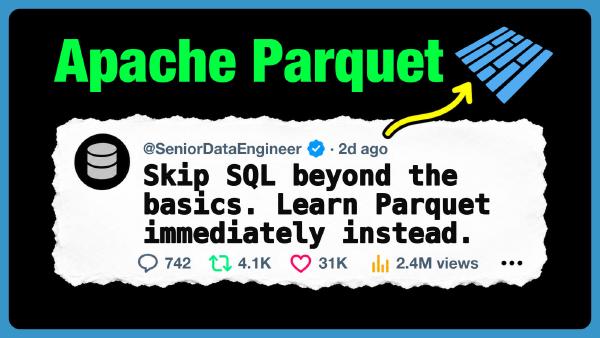
Changing one line from CSV to Parquet makes reading the fares of ten million New York taxi trips 27 times faster, and the file is a sixth of the size. In this chapter, we measure why with Polars, DuckDB, PyArrow, and pandas: columnar storage, types in the file, the footer, encodings, pages, compression, predicate pushdown, and row group size. We also see where row storage still wins.
A short story about what Pythonic might mean, an idea that involves a fair amount of interpretation and subjectivity.
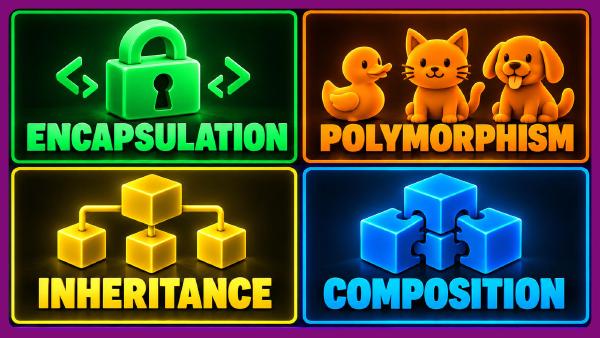
In the age of AI, syntax by itself is the least important part of object-oriented programming to focus on. In this chapter, we cover classes, instance and class attributes, static and class methods, properties, encapsulation, inheritance, composition, and polymorphism against a problem from production code, a rate limiter for alerts. Along the way, we see what the SOLID principles warn about, what inheritance costs, and why composition is the more flexible approach.
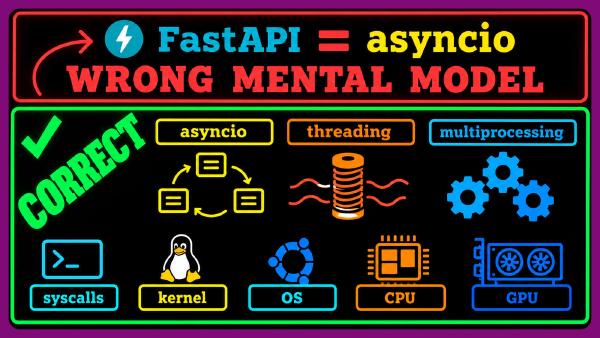
Concurrency is arguably the hardest concept for Python developers, because the important ideas already assume you understand the operating system underneath. In this chapter, we start from the kernel and system calls, build up processes, threads, race conditions, and the GIL, then work out when to reach for asyncio, threading, or multiprocessing, why a GPU beats a CPU on the same arithmetic, and how to get better at concurrent programming.
Scarf ran Haskell in production for seven years and is now moving to Python.
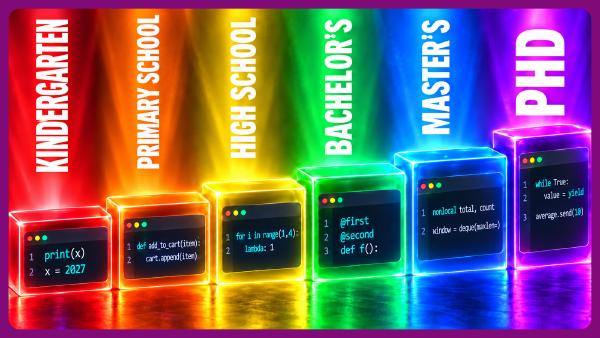
From kindergarten to PhD, this may be the most comprehensive chapter on Python functions. We start with the basics of defining and calling functions, learn how to write them well, then learn closures, decorators, recursion, and generators, all the way to theory of computation and how CPython executes functions under the hood.
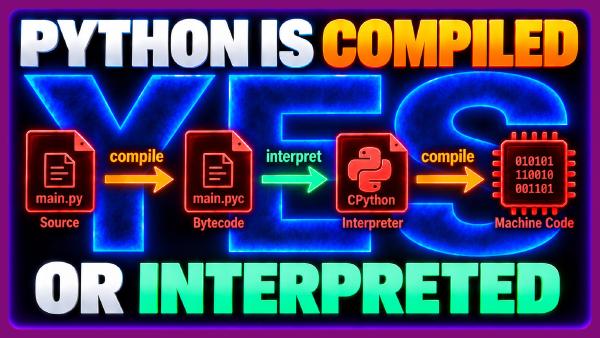
Every if, loop, break, and continue in Python compiles down to the same tricks. We visualize the Python bytecode behind the control flow to understand how Python really works under the hood.
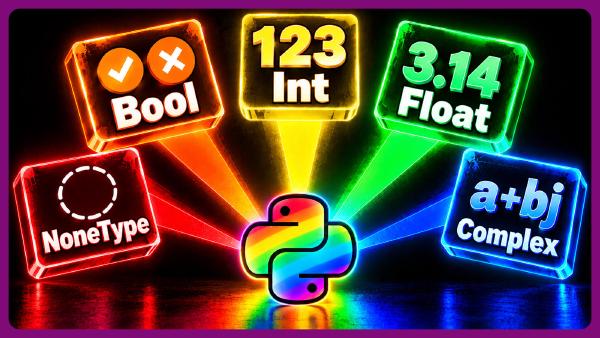
Picking the right data type in Python starts with the basics. In Part 1 of Python’s data types, we cover NoneType, bool, int, float, and complex.
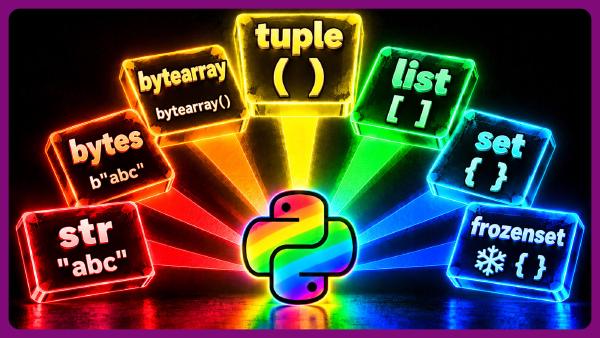
Working with many objects at once requires the right container. In Part 2 of Python’s data types, we cover str, bytes, tuple, list, bytearray, set, and frozenset.
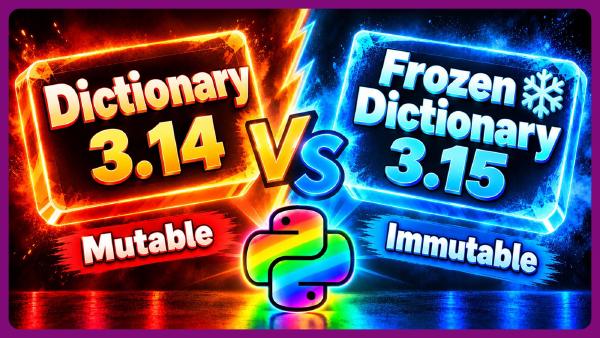
In Part 3 of Python’s data types, we cover dict and the new frozendict, Python 3.15’s built-in immutable mapping, plus how to choose the right data type for the job.